
Chicken nuggets are one of the most popular fast-food items worldwide. Their crispy coating, tender interior, and consistent shape make them a staple in restaurants, frozen food brands, and quick-service chains.
But achieving restaurant-quality chicken nuggets on a commercial scale is not just about the recipe—it is about controlling every step of the production process, from meat preparation to frying consistency.
So how are high-quality chicken nuggets actually made at scale? The answer is a crispy chicken nugget production line.
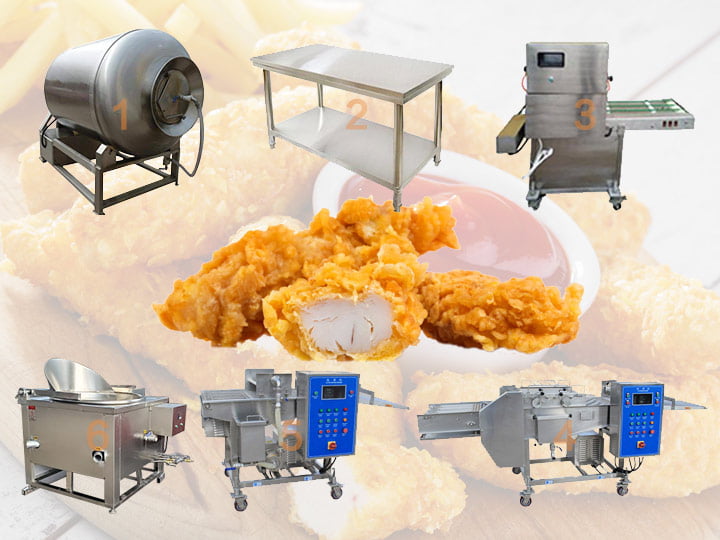
It Starts with Proper Meat Selection and Preparation
The foundation of a good chicken nugget is the raw material. Most manufacturers use boneless chicken breast or a mix of breast and thigh meat.
The meat is first trimmed, deboned, and cut into uniform pieces. Consistency at this stage is important because uneven sizes will lead to uneven cooking later in the process.
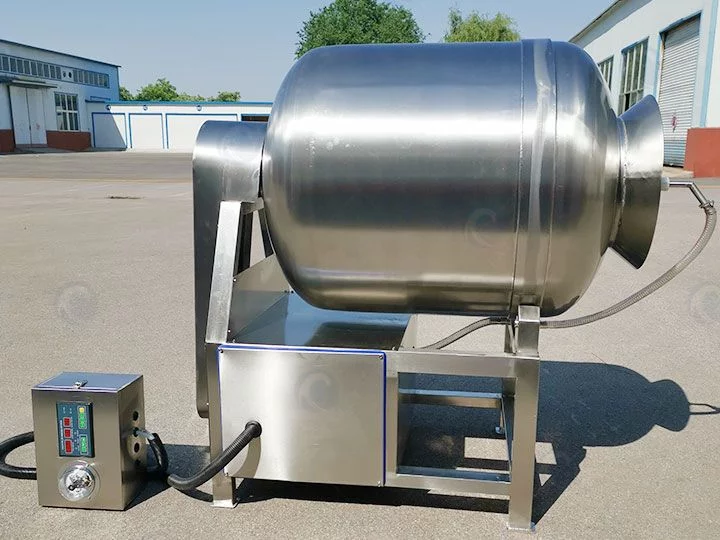
After cutting, the chicken is usually marinated to enhance flavor and improve tenderness.
The Coating Process Creates the Crispiness
What makes chicken nuggets truly “restaurant-quality” is the coating.
A typical coating process includes:
- Batter coating (liquid layer)
- Breading or crumb coating (dry layer)
- Optional double coating for extra crispiness
This layered structure helps lock in moisture while creating a crispy golden exterior during frying.
At this stage, production consistency becomes critical. Uneven coating can result in poor texture or oil absorption issues.
Frying Defines the Final Quality
The frying stage is where the final texture and color are formed.
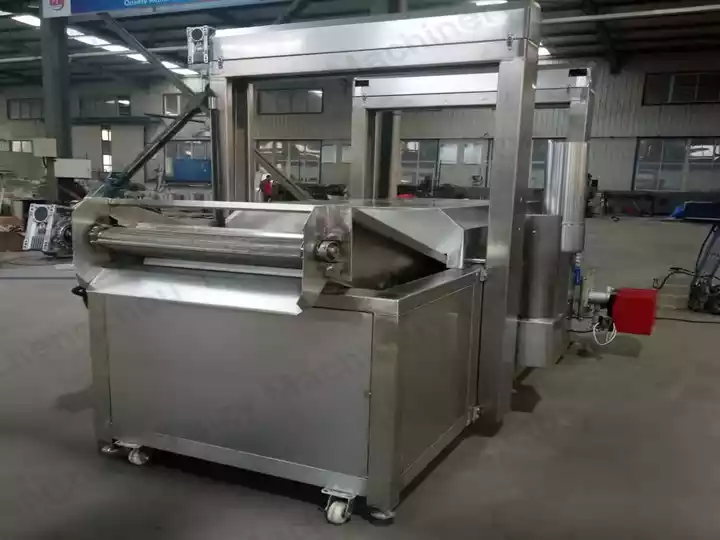
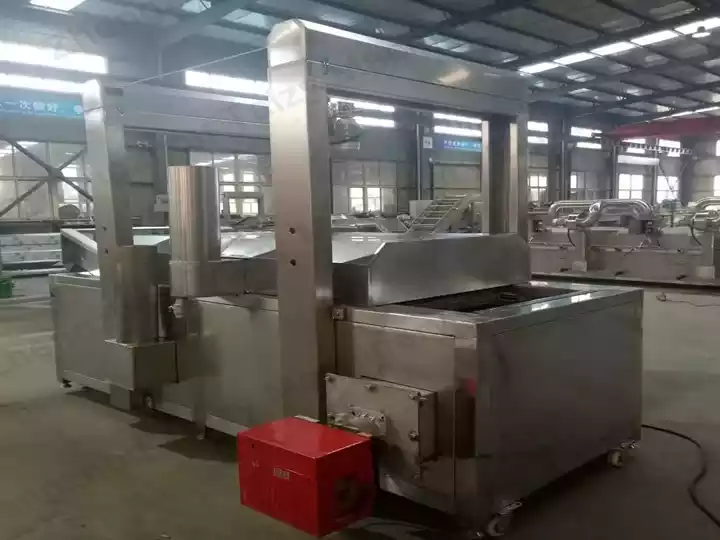
In professional production lines, nuggets are processed using a controlled frying system that maintains a stable temperature and timing.
Proper frying ensures:
- Golden brown color
- Crispy outer layer
- Fully cooked interior
- Low oil absorption
Without precise control, nuggets may become too greasy or undercooked, affecting product quality.
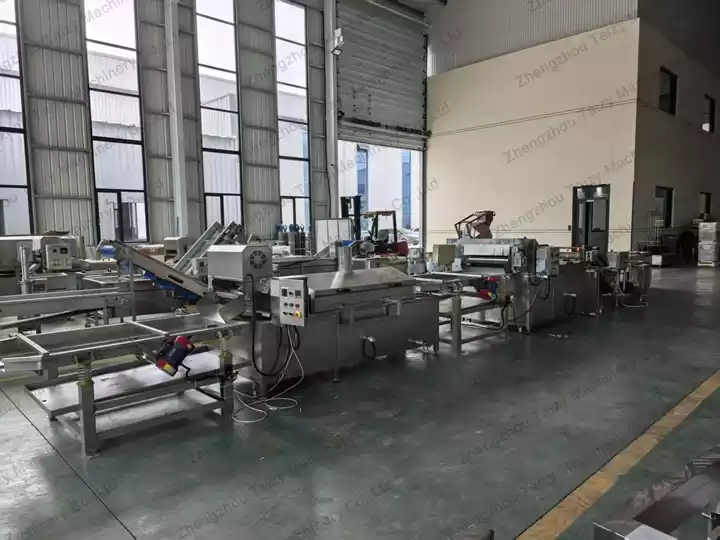
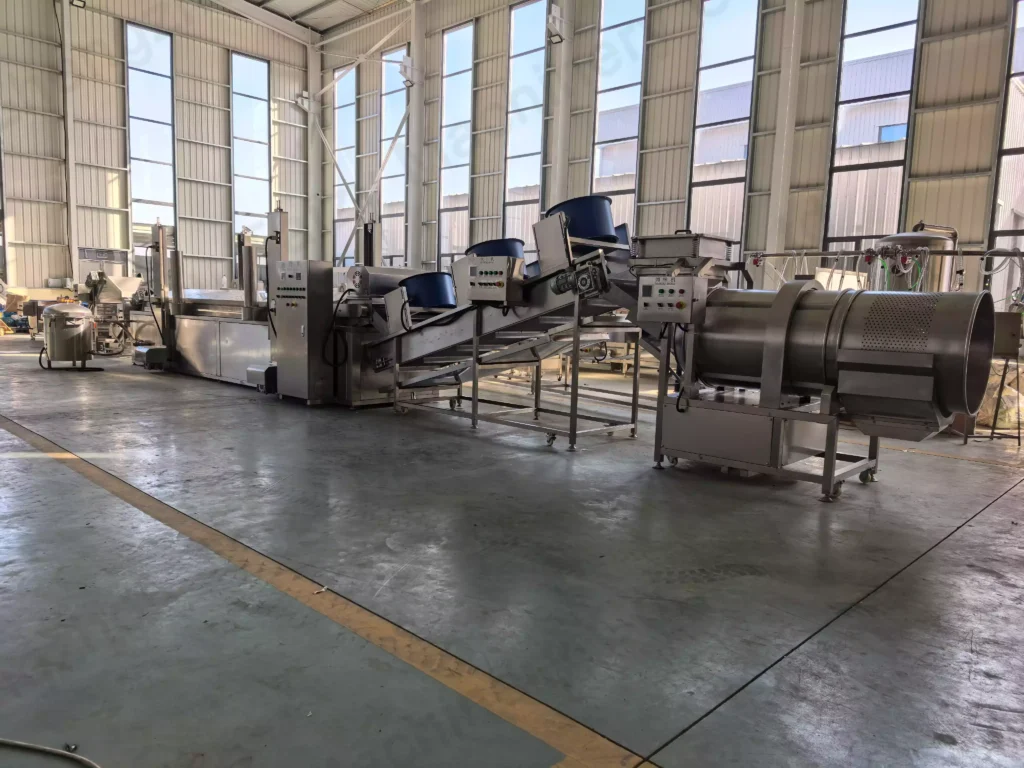
This is why many factories rely on an automated frying production line instead of manual batch frying.
Cooling and Freezing for Storage
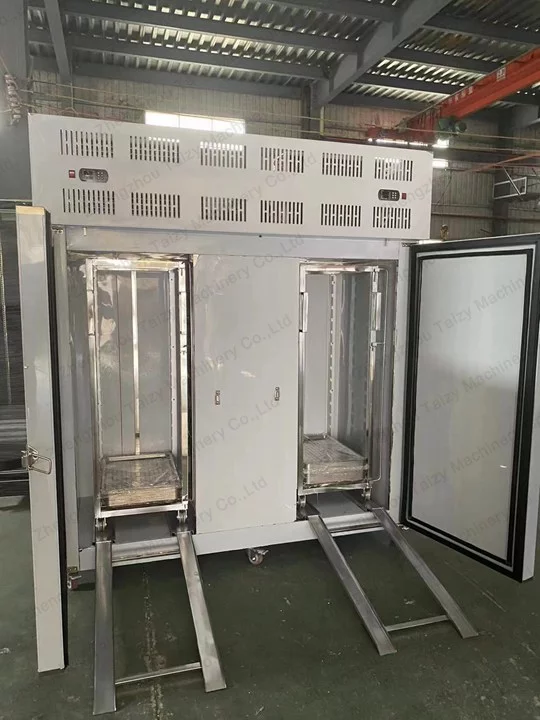
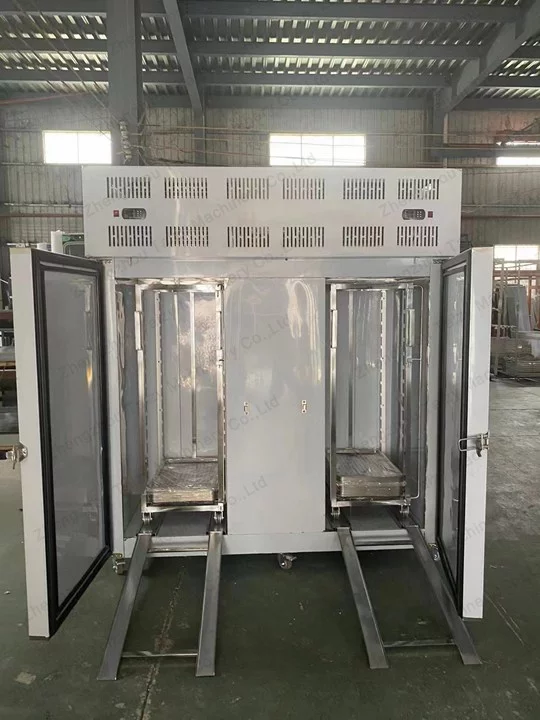
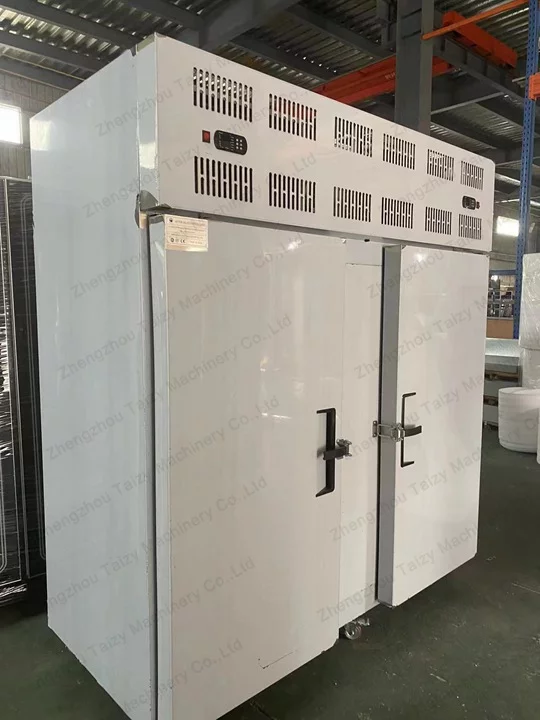
After frying, chicken nuggets are quickly cooled to stop the cooking process. In frozen food production, they are then sent to a freezing tunnel or blast freezer.
This step helps:
- Maintain texture
- Preserve flavor
- Extend shelf life
- Prepare for packaging and distribution
Proper freezing is essential for export and supermarket supply chains.
Why Consistency Matters in Commercial Nugget Production
Unlike home cooking, restaurant and industrial production must ensure every nugget looks and tastes the same.
Consistency affects:
- Brand reputation
- Customer satisfaction
- Cooking performance in restaurants
- Packaging quality
Even small variations in size or coating can lead to significant quality differences at scale.
From Kitchen Recipe to Industrial Production
While the basic idea of chicken nuggets is simple, scaling up production requires careful control of forming, coating, frying, and freezing.
This is why many food manufacturers move from manual production to automated processing systems that ensure stability and efficiency.
A well-designed production line helps transform raw chicken into consistent, high-quality nuggets that meet restaurant and retail standards.
For businesses looking to expand in the frozen food industry, upgrading production efficiency is often the key to staying competitive.