
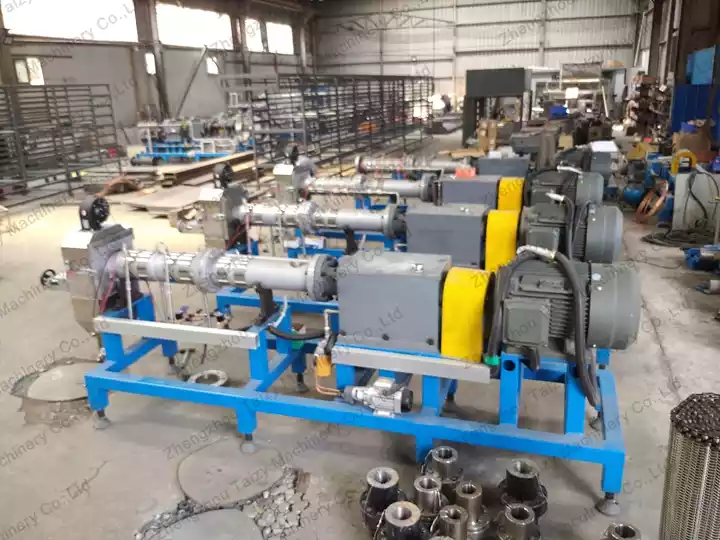
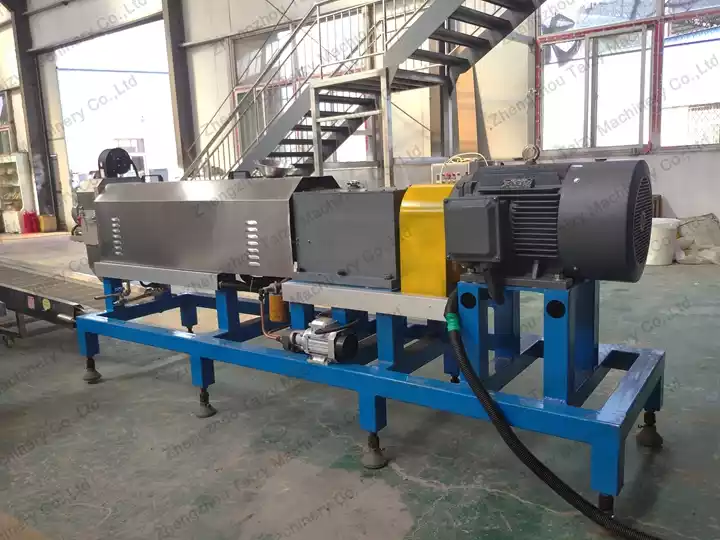
Pet food manufacturers often need different kibble shapes to meet the preferences of pet owners and the requirements of different product lines. Round, cylindrical, star-shaped, and other kibble designs can help brands differentiate their products. A pet food extruder machine with interchangeable dies allows manufacturers to produce different kibble shapes without replacing the entire production line.
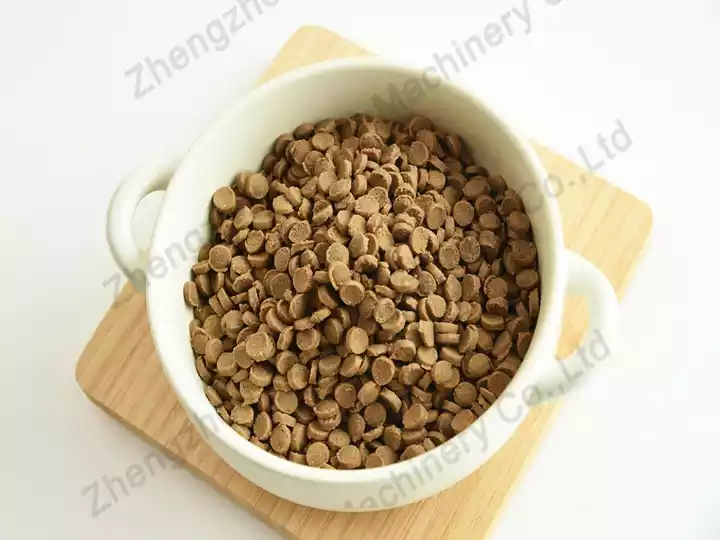
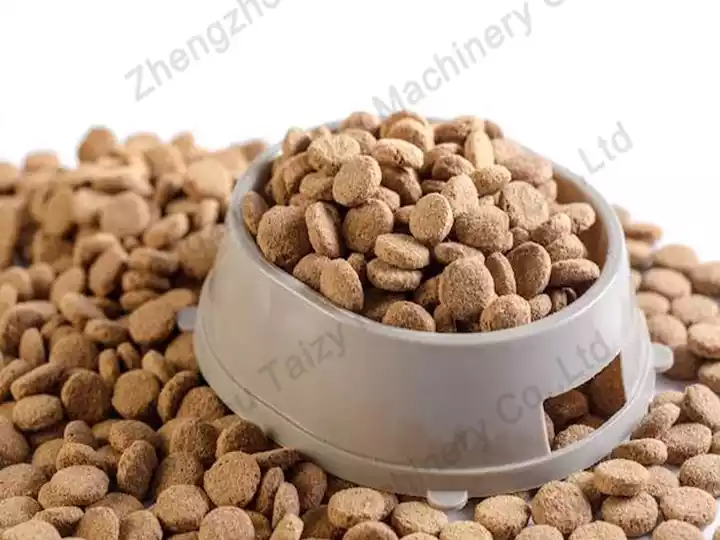
Choose the Right Extruder Die
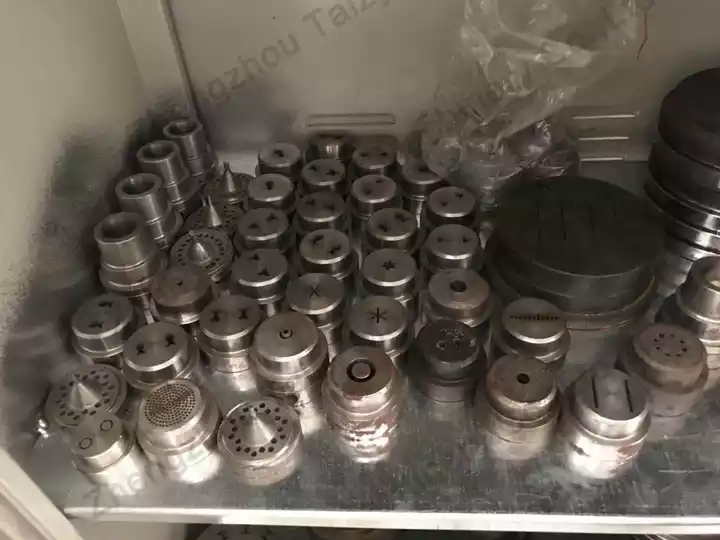
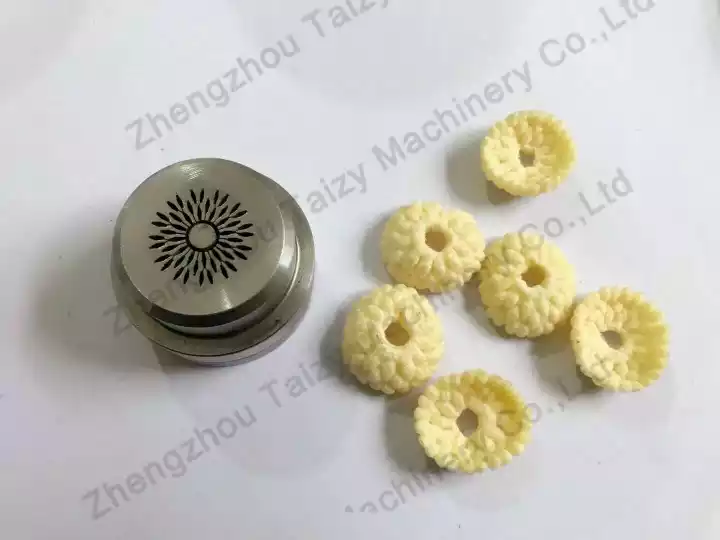
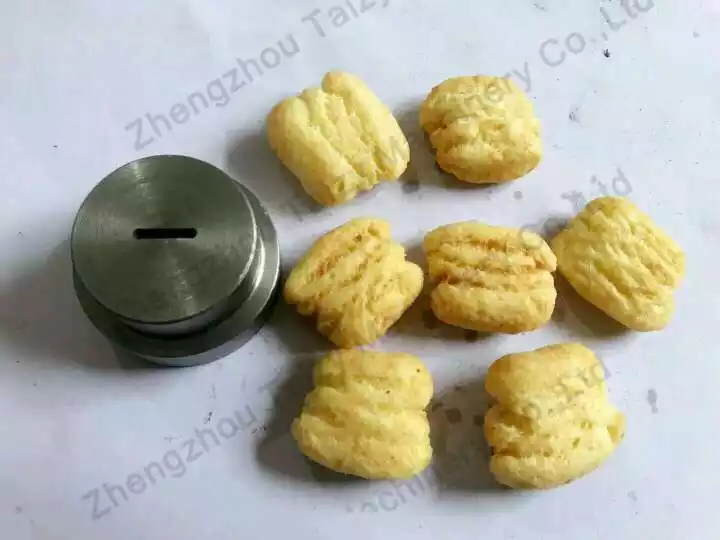
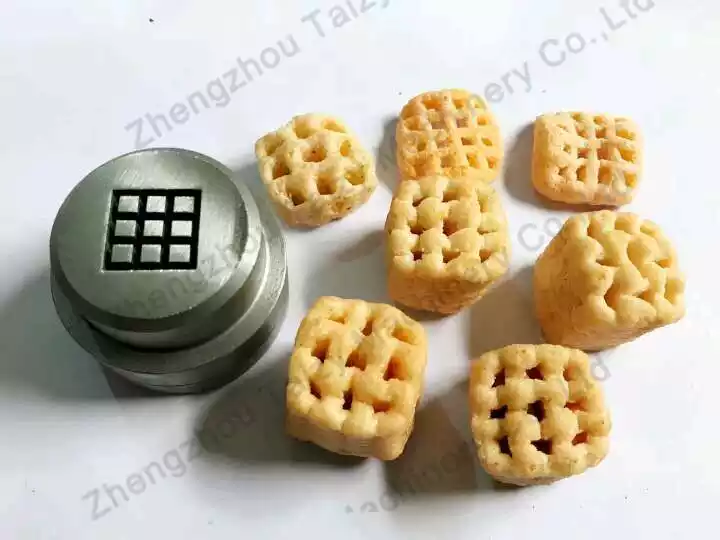
The extruder die determines the basic cross-sectional shape of kibble as the cooked material passes through its openings. Different die-hole designs can produce different shapes, including round, star-shaped, and other customized profiles.
For manufacturers planning to offer multiple pet food products, interchangeable dies provide a flexible way to expand the product range using the same pet food extruder machine.
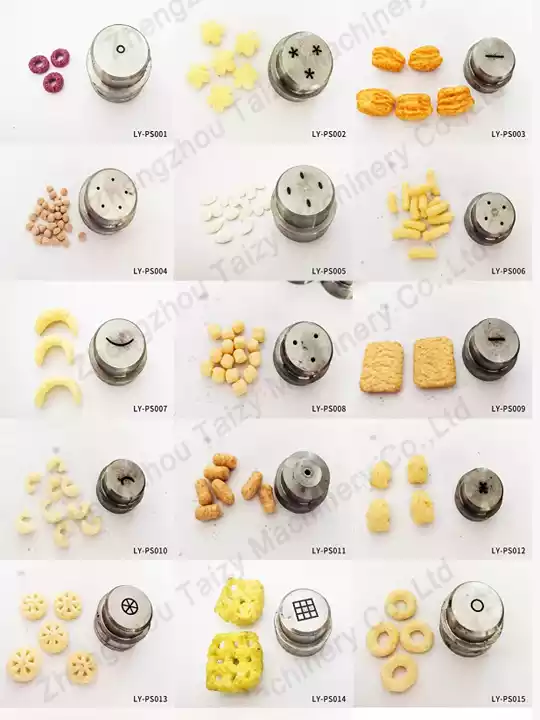
Adjust the Die Hole Size
Besides shape, die-hole dimensions affect the initial size of the extruded kibble. Larger openings can produce thicker pieces, while smaller openings can produce narrower strands.
However, the final kibble size also depends on expansion during extrusion and the cutting length. The die should therefore be selected according to the target product dimensions rather than hole size alone.
Set the Cutting Length
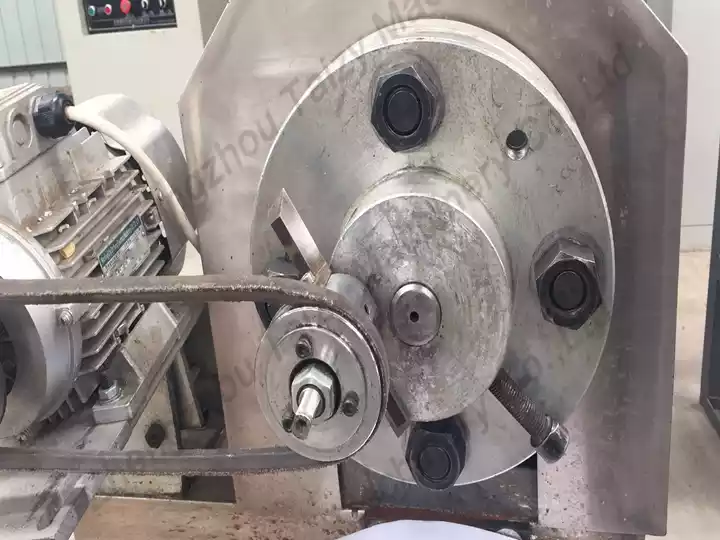
After the material exits the die, a cutting mechanism divides the continuous extrudate into individual kibble pieces. Adjusting the cutter speed and blade settings helps control the length of the finished pieces.
For example, a round die can produce short, round pieces or longer cylindrical kibble depending on the cutting settings and material expansion.
Match the Formula and Extrusion Conditions
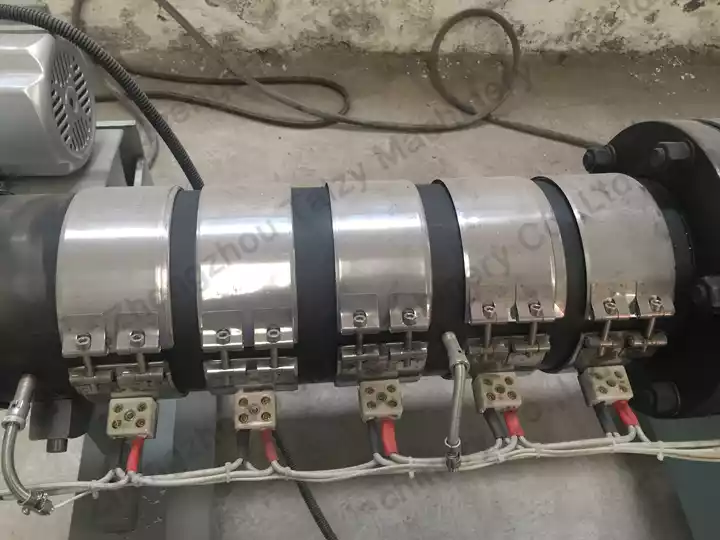
Changing the die does not automatically guarantee the desired final shape. Moisture content, ingredient formulation, temperature, screw speed, and extrusion pressure can all affect expansion and shape retention.
Stable processing conditions help reduce irregular pieces and improve consistency between batches. When introducing a new die, manufacturers should test the settings and inspect the finished kibble before full-scale production.
Dry and Cool the Kibble After Extrusion
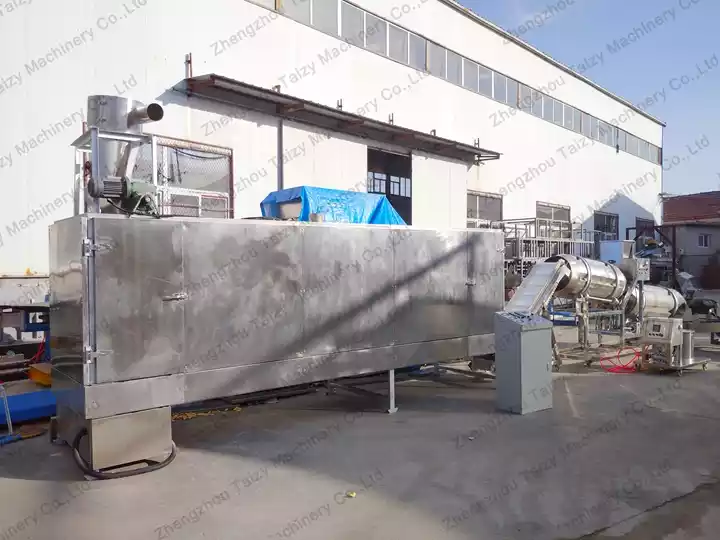
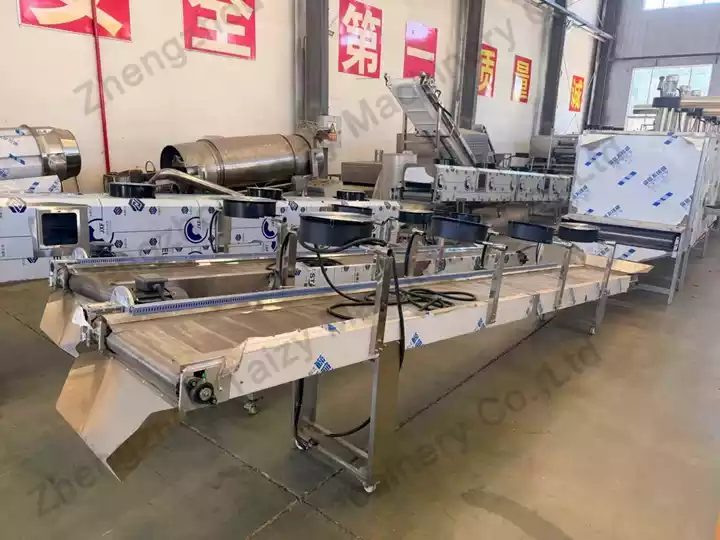
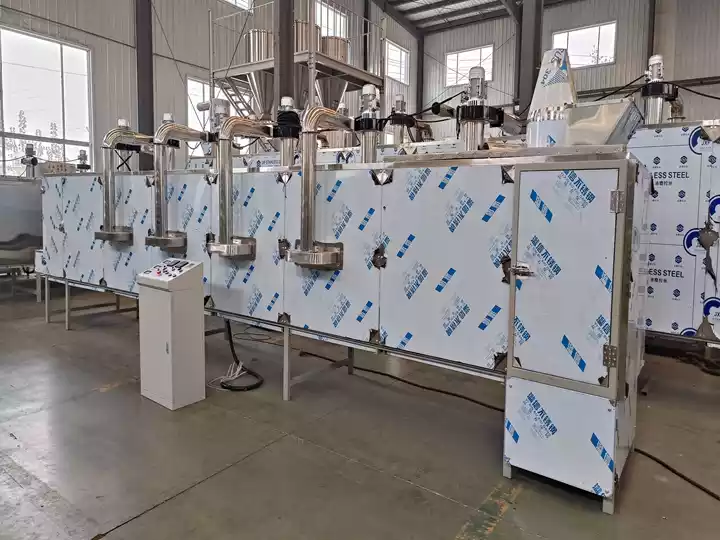
Freshly extruded kibble usually contains moisture and may be too soft for packaging. Drying reduces moisture, while cooling helps prepare the product for subsequent handling.
The drying process should be adjusted according to kibble size, thickness, and formulation. Proper drying and cooling help the finished pieces retain their shape and achieve the required texture.
Produce More Kibble Shapes with One Production Line
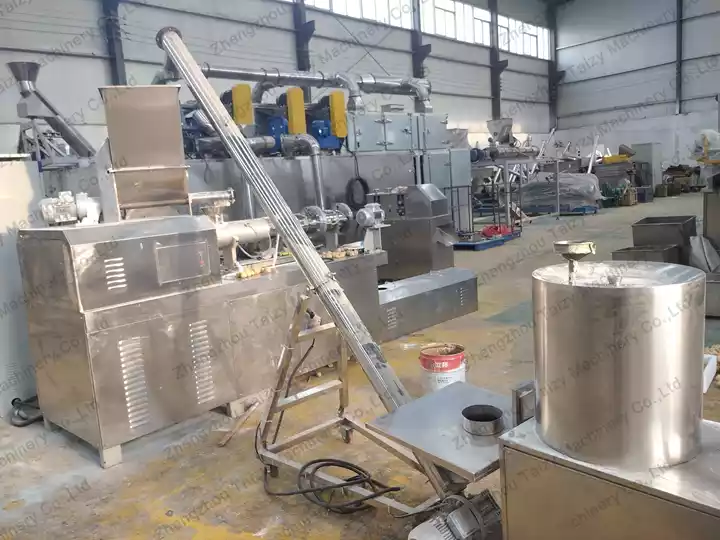
For businesses developing multiple pet food products, a pet food extruder machine with interchangeable dies can reduce the need for separate extrusion equipment for each shape.
When choosing a pet food production line, consider the desired kibble shapes, particle dimensions, production capacity, and the range of formulas you plan to process. Confirm that the extruder and its die system support your required designs.
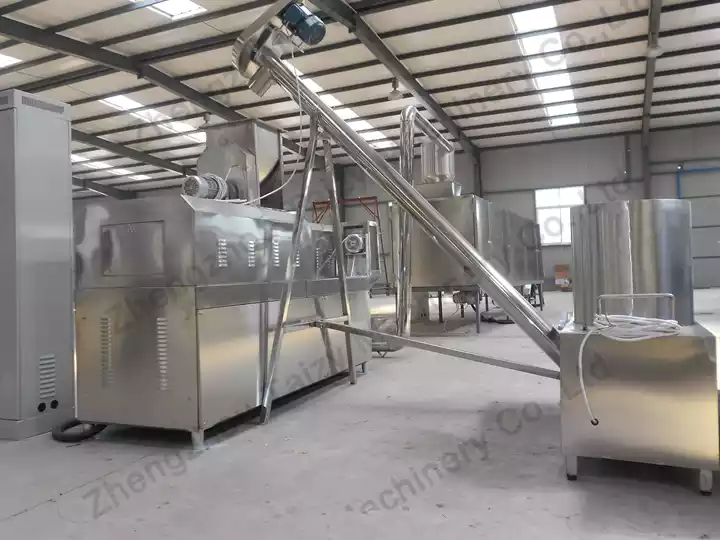

Contact Us for a Customized Pet Food Extruder
Want to produce different kibble shapes for your pet food brand? Send us your target kibble shape, size, raw material formula, and required capacity. We can help you evaluate suitable extruder dies and recommend a pet food production line for your manufacturing needs.