
Crispy texture is one of the most important qualities of breakfast corn flakes. If your corn flakes turn out soft, chewy, or unevenly toasted, the problem may lie in the processing conditions rather than the ingredients alone. For commercial manufacturers, understanding these factors is essential to maintaining consistent product quality. An automatic corn flakes making machine helps coordinate key processing stages and improve production consistency.
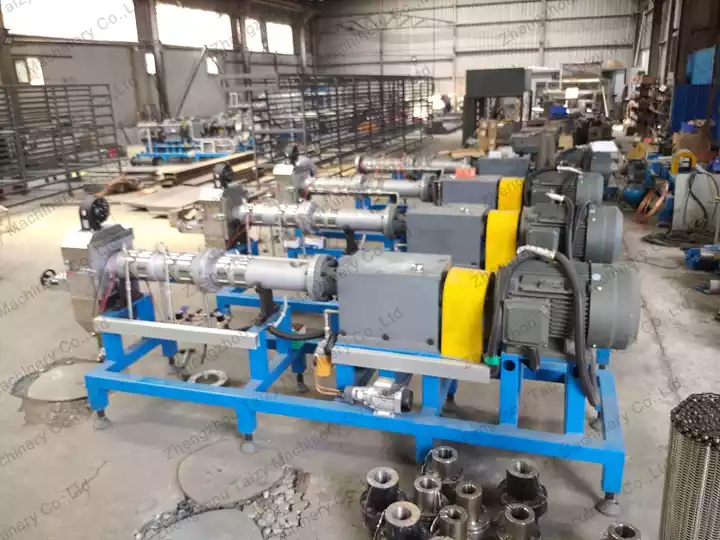
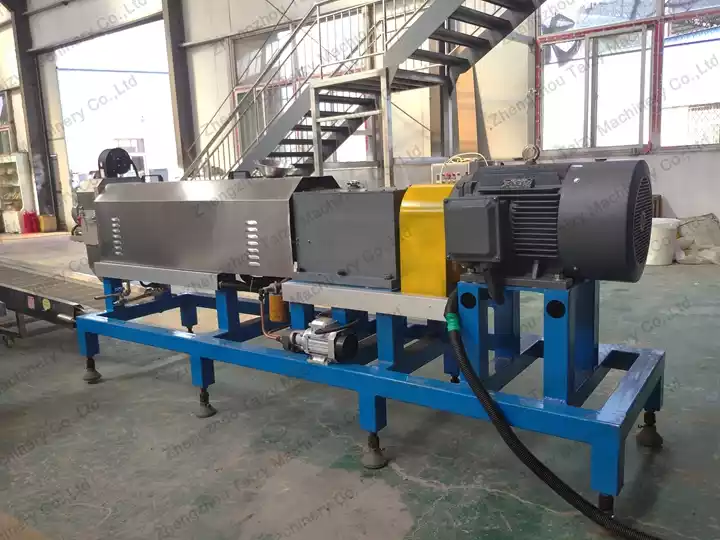
The Corn Flour Formula May Be Unbalanced
The ingredients and moisture content of the corn mixture affect how flakes form and crisp up during baking. An inconsistent formula can lead to differences in expansion, texture, and final moisture.
Manufacturers should maintain a consistent recipe and adjust the water content according to the characteristics of the raw materials and the requirements of the finished product.
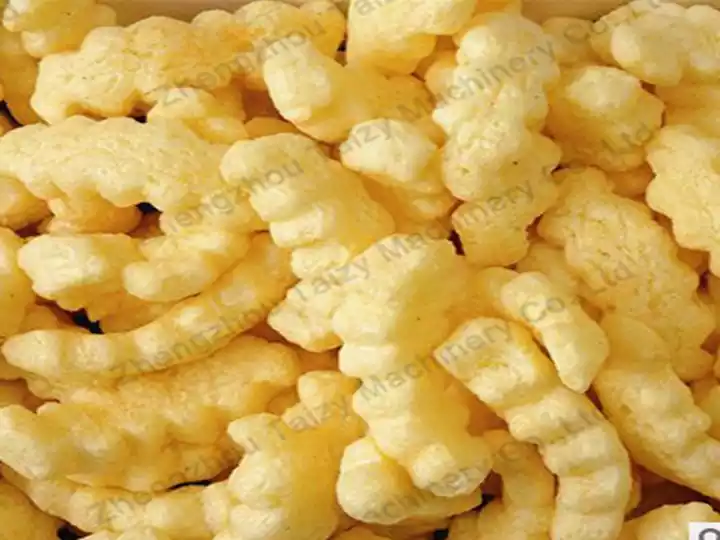
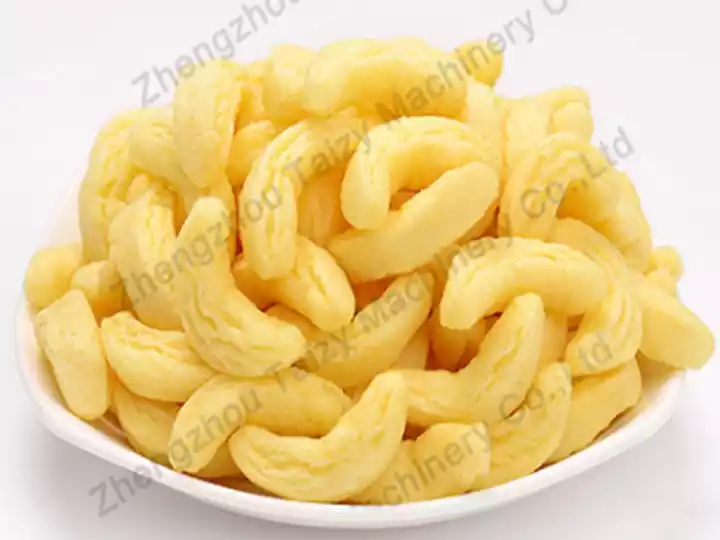
Cooking May Be Incomplete or Inconsistent
Corn-based materials need proper cooking before they are rolled into flakes. Insufficient or uneven cooking can affect the structure of the material, resulting in flakes with inconsistent texture.
A well-coordinated automatic breakfast corn flakes production line helps maintain a more consistent workflow from mixing and cooking to subsequent forming and drying stages.

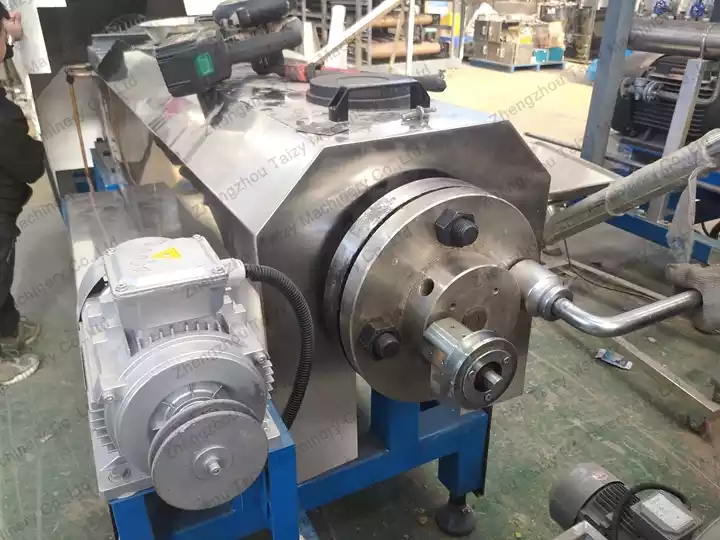
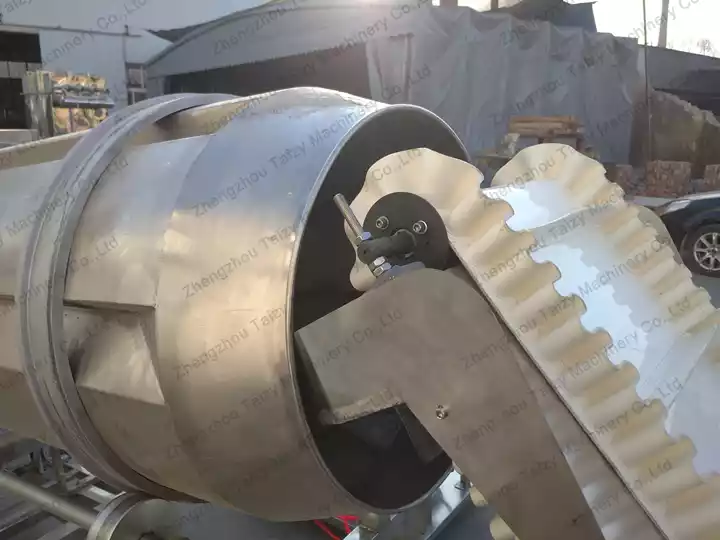
Flake Thickness Can Affect Crispiness
If the flakes are too thick, moisture may take longer to escape during baking. This can leave the center less crisp, even when the surface appears sufficiently toasted.
Consistent rolling and thickness control help ensure that the flakes dry more evenly. Manufacturers should select suitable forming settings according to their target product size and texture.
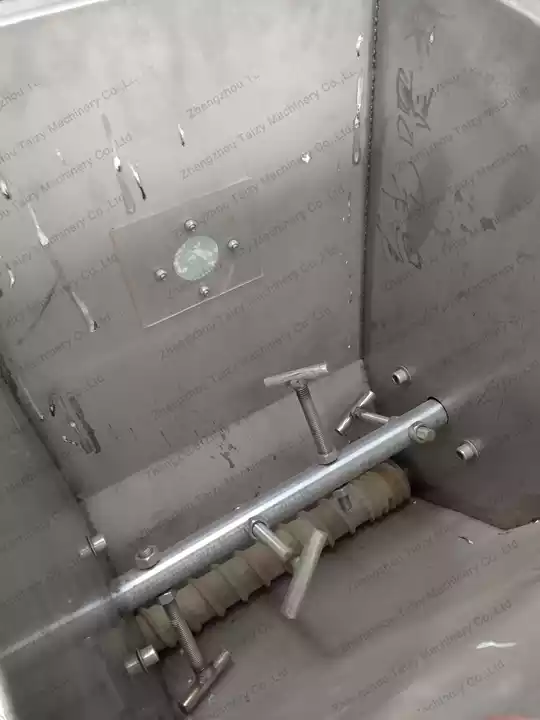
Baking Temperature and Time May Be Incorrect
Baking is a critical stage in developing the final crisp texture. Insufficient baking may leave excess moisture, while excessive heat can cause uneven browning or burning.
The correct temperature and baking time depend on flake thickness, moisture content, and production speed. Operators should adjust these conditions based on product testing rather than relying on temperature alone.

Moisture May Return During Cooling and Storage
Even properly baked corn flakes can lose their crispness if they absorb moisture from the surrounding air. Inadequate cooling or packaging delays may expose the product to humid conditions.
Allow the flakes to cool under suitable conditions before packing them in moisture-resistant packaging. Proper storage and sealed packaging help preserve crispness during distribution.
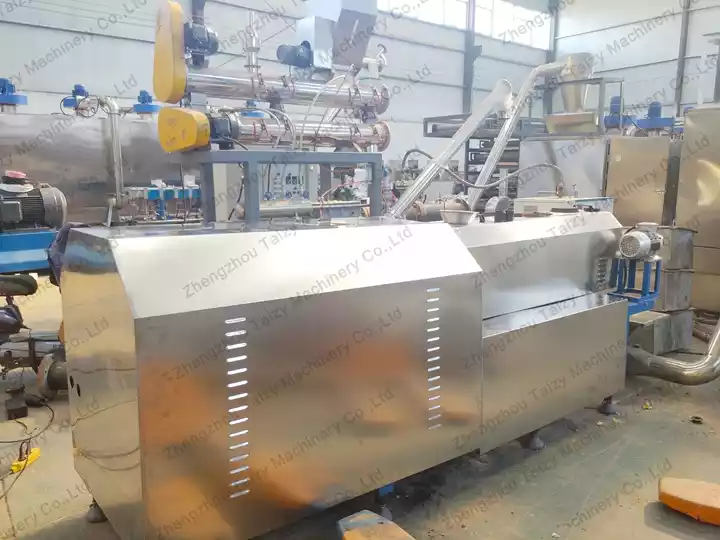
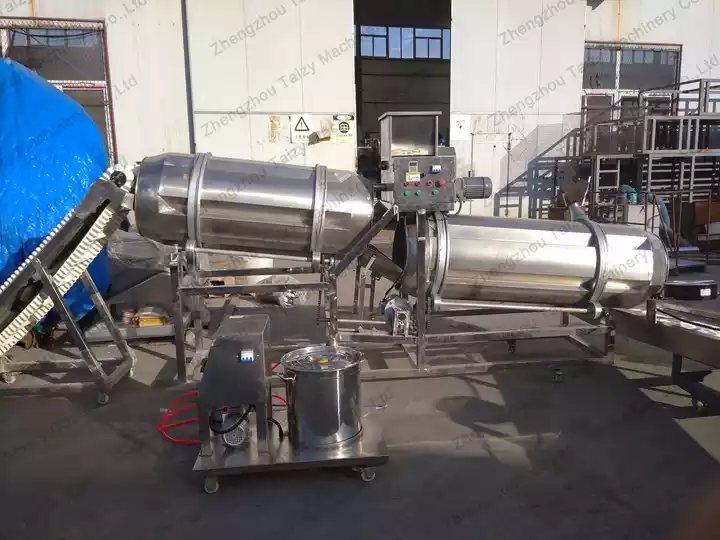
How Can an automatic corn flakes making machine Help?
When crispness varies from batch to batch, adjusting a single processing step may not solve the entire problem. Mixing, cooking, flaking, baking, and cooling need to work together under consistent conditions.
Một automatic breakfast corn flakes production line integrates these stages into a coordinated production process, helping manufacturers improve product uniformity, reduce repetitive manual handling, and scale up production. The right line should match your required output, product specifications, and factory conditions.
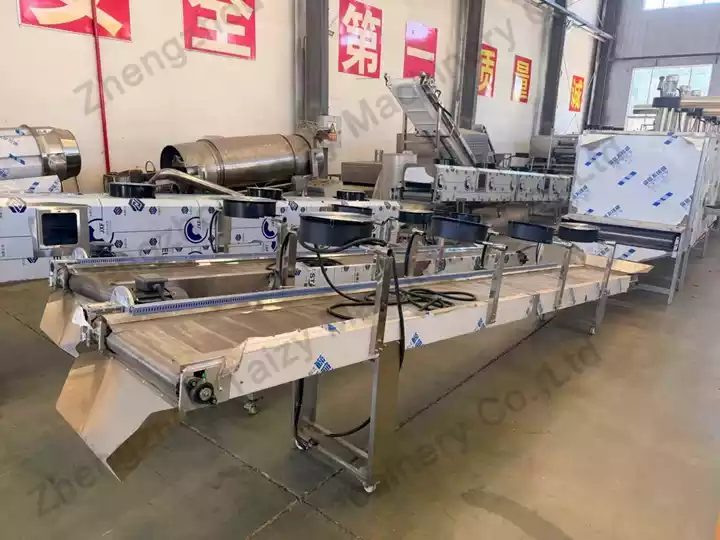
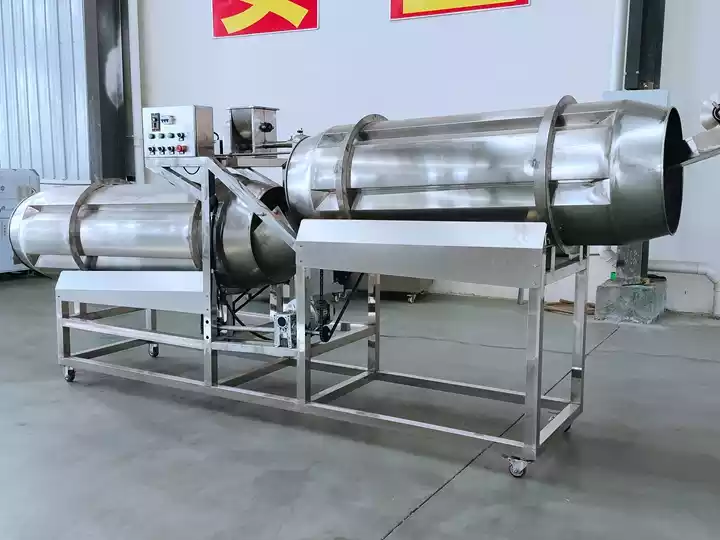
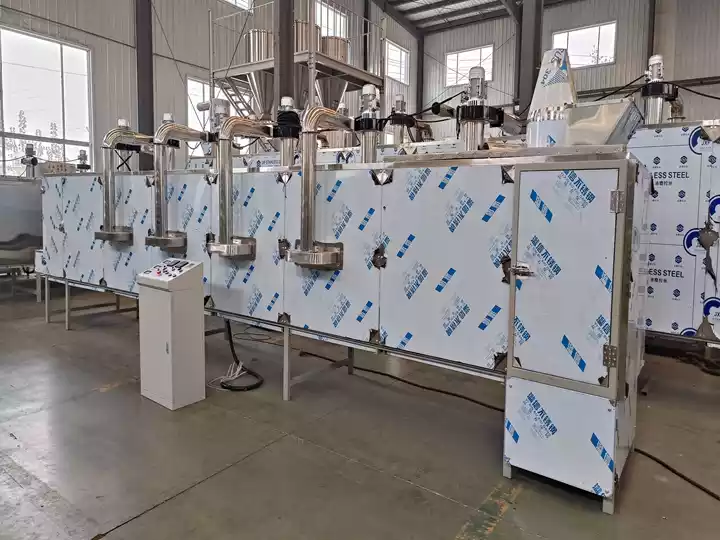
Contact Us for a Breakfast Corn Flakes Production Line
Want to produce crisp, consistent corn flakes on a commercial scale? Tell us your target capacity, corn flakes specifications, and factory requirements. We can recommend a suitable automatic breakfast corn flakes production line and provide equipment details, processing layouts, and a customized solution for your business.