
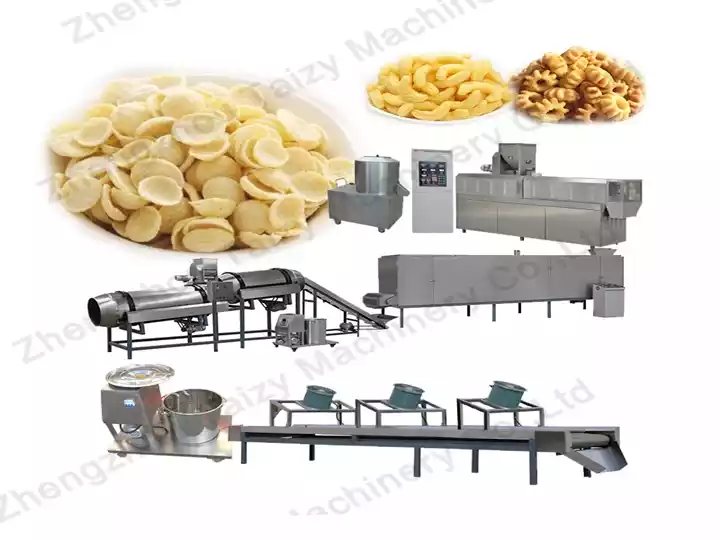
The breakfast cereal market is crowded. Walk down any supermarket aisle and you will see flakes, rings, balls, stars, pillows, tubes, and fruit loops — each one fighting for shelf space and consumer attention. If you are investing in a corn flakes production line, producing the same standard flake shape as every competitor is a recipe for low margins. What sets successful cereal brands apart is product differentiation — and that starts with the die mold inside your extruder.
The ability to customize shapes, sizes, and textures is what turns a generic corn flakes production line into a brand-building asset. Whether you want classic flat flakes, chocolate-filled pillows, star-shaped cereal for kids, or a unique shape nobody else has, the right production line — with the right mold customization service — makes it possible.
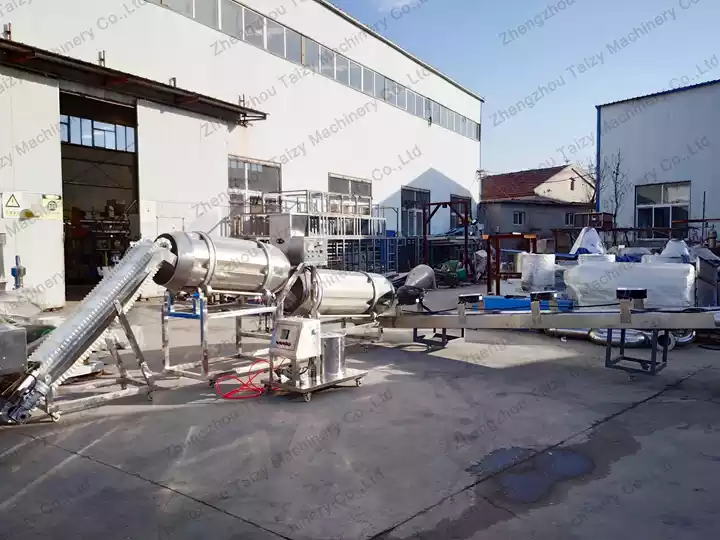
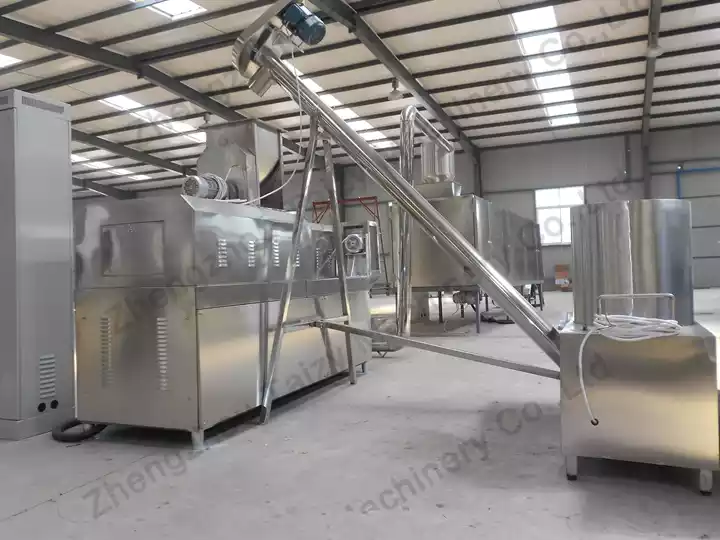
Understand What a Corn Flakes Production Line Can Produce
A modern corn flakes production line is far more versatile than most buyers realize. The same line, with different die molds and process settings, can produce a wide range of breakfast cereal products:
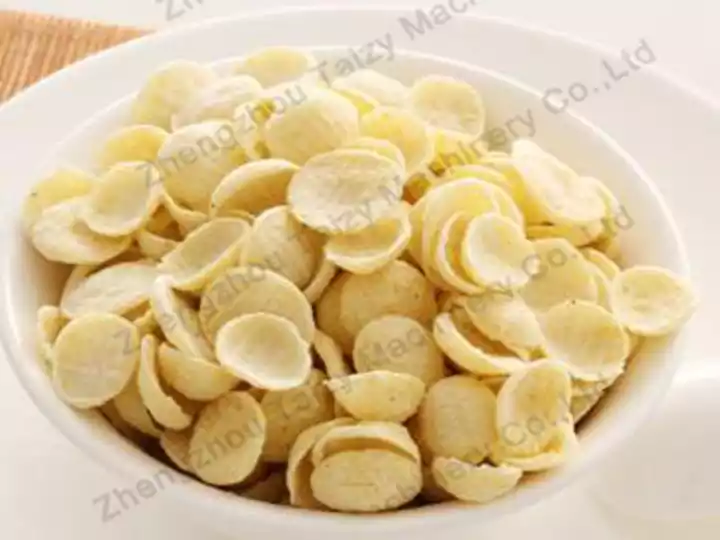
- Flat corn flakes: The classic shape. Corn grits are extruded into small pellets, then flaked between smooth rollers, toasted, and coated.
- Balls and spheres: Extruded through a circular die, these puff into round cereal pieces — popular in chocolate and honey-coated varieties.
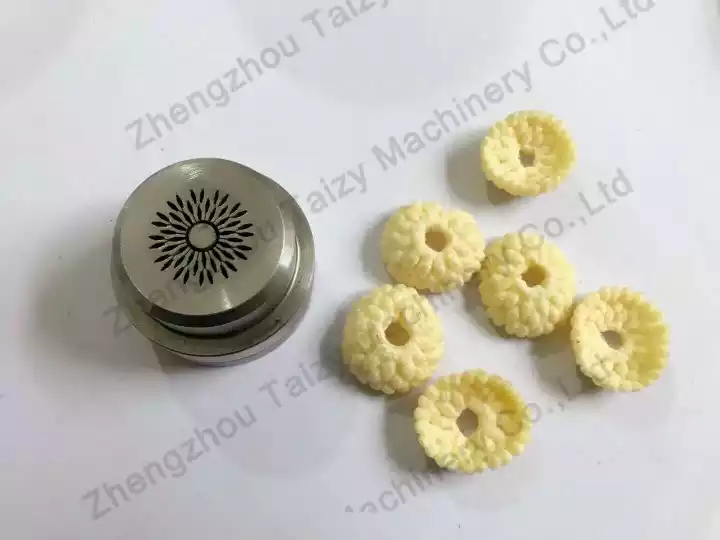
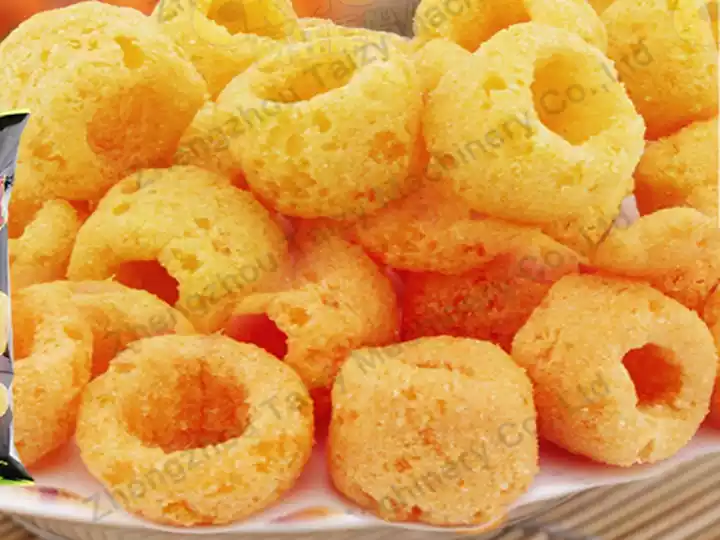
- Rings and loops: The die forms a torus (donut) shape that puffs into a ring — the classic “fruit loop” style.
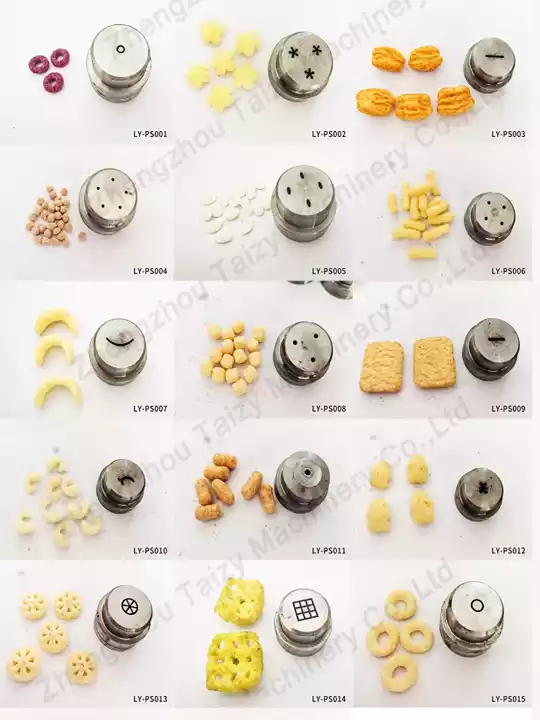
- Stars and flowers: Shaped dies create five-point stars, flower petals, or heart shapes — highly appealing in children’s cereal.
- Tubes and sticks: Hollow tube or solid stick shapes for cereal snacks and granola-style products.
- Pillows and cushions: Two-layer extrusion creates filled pillows — exterior cereal shell with an inner filling (chocolate, cream, fruit paste).
- Custom shapes: Brand logos, alphabet letters, animal shapes — limited only by the die design.
One corn flakes production line can switch between these shapes by simply changing the die mold in the extruder — a process that takes 15–30 minutes with quick-change tooling. This means a single line can produce multiple SKUs for different market segments, maximizing your return on equipment investment.
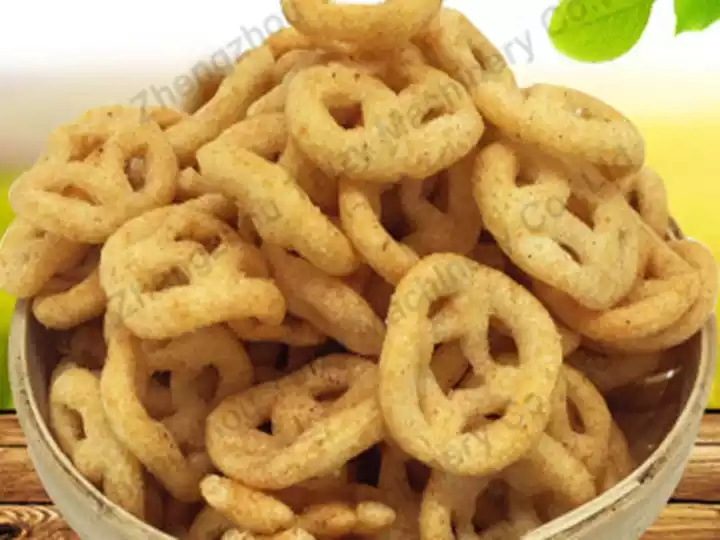
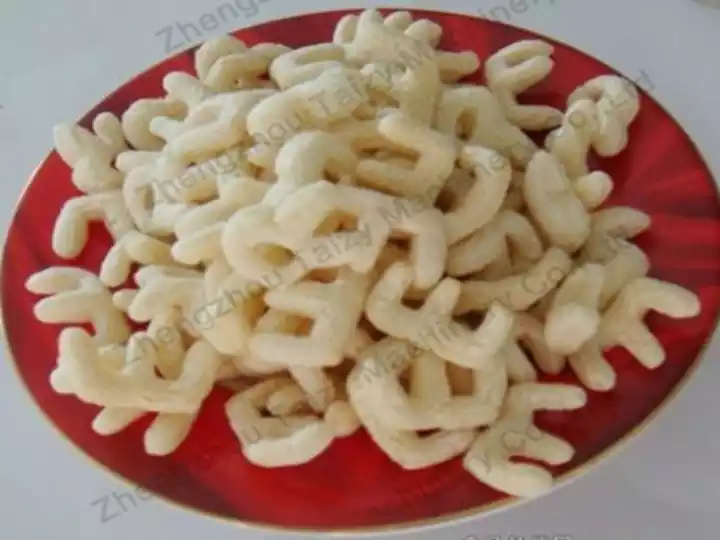
The Die Mold Is Where Customization Begins
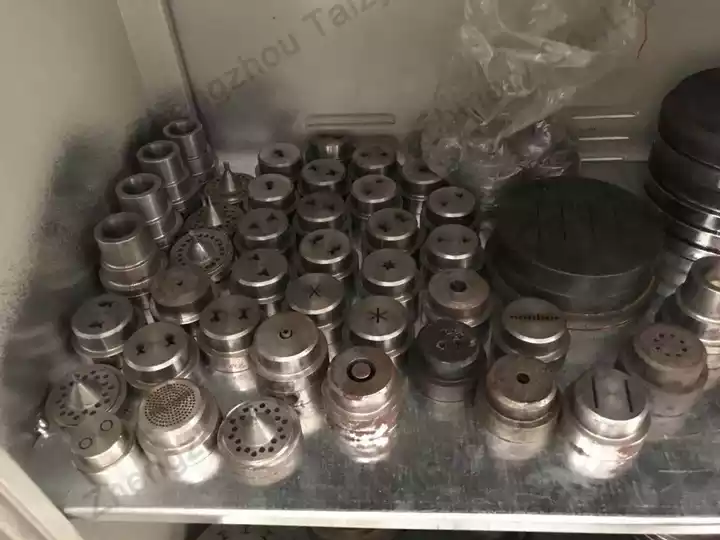
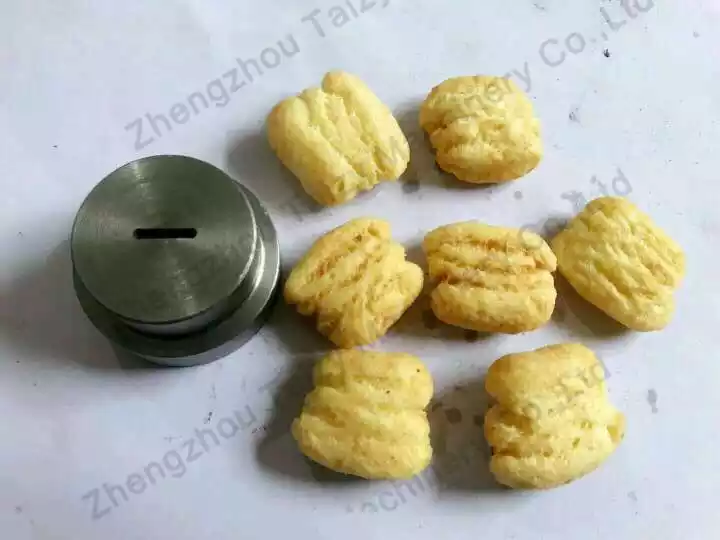
The die mold (also called the forming die or extrusion die) is the component at the exit end of the twin-screw extruder that determines the shape, size, and surface texture of the extruded product. It is the single most important customization point in the entire corn flakes production line.
Here is how die mold customization works:
- Material: Dies are precision-machined from 38CrMoAl nitrided steel or food-grade stainless steel — materials that withstand high pressure, high temperature, and abrasive grain flour without warping or degrading.
- Precision machining: Each die aperture (the hole the product exits through) is CNC-machined to tolerances of ±0.05 mm. This precision ensures every piece in every batch is the same shape and size — critical for consistent toasting, coating, and packaging.
- Aperture design: The shape of the aperture determines the product shape. A star-shaped aperture produces star cereal. A ring-shaped aperture produces loops. The aperture edge profile also affects how the product puffs and expands after exiting the die.
- Multi-aperture dies: A single die plate can contain 4 to 40+ apertures, depending on product size and extruder capacity. More apertures mean higher throughput per cycle.
- Quick-change design: Modern dies use a bayonet or bolt-on mounting system that allows operators to swap dies between product runs in 15–30 minutes — no specialized tools required.
When you customize a corn flakes production line, you are not just buying a machine — you are investing in a library of die molds that defines your product catalog. The more shapes you can produce, the more markets you can serve.
Match the Extruder Model to Your Product Range
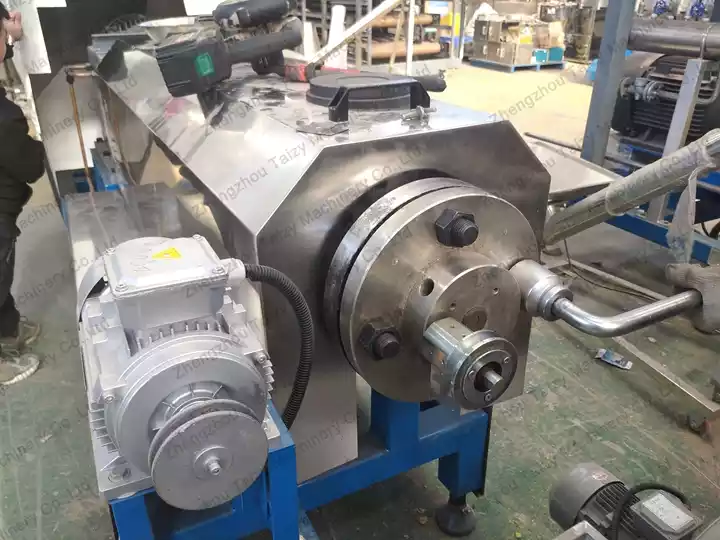
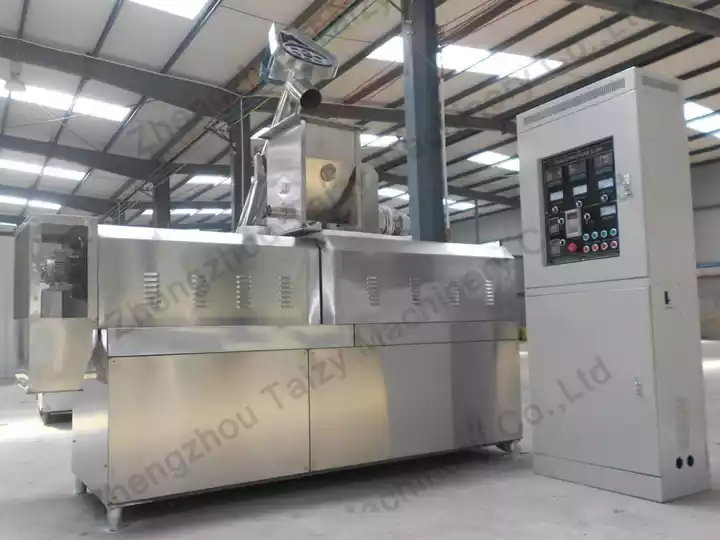
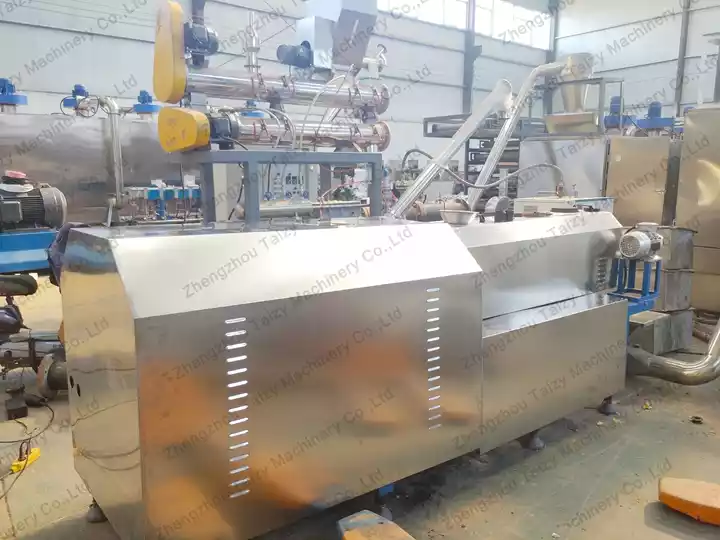
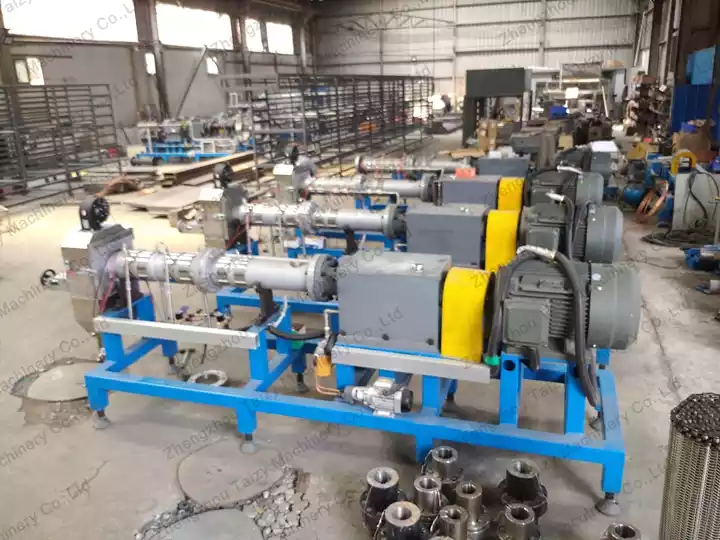
The extruder is the core of the corn flakes production line, and the model you choose determines what shapes and volumes you can produce. Here is a practical guide to the most common models:
| 모델 | 전압 | Installed Power | Actual Power | Production Capacity | 치수(mm) |
|---|---|---|---|---|---|
| TZ-65 | 380V / 420V / 440V / 415V | 73 kW | 52 kW | 100–150 kg/h | 16000 × 900 × 1800 |
| TZ-70 | 380V / 420V / 440V / 415V | 95 kW | 67 kW | 200–300 kg/h | 19000 × 1100 × 2000 |
| TZ-85 | 380V / 420V / 440V / 415V | 105 kW | 75 kW | 400–600 kg/h | 21000 × 1300 × 2200 |
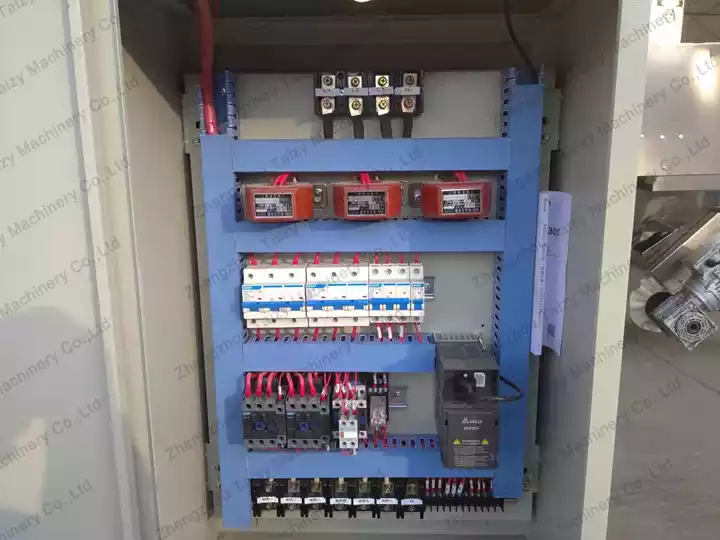
All models use a twin-screw extruder with modular screw design, which means the screw configuration can be adjusted for different raw materials and product textures. The Siemens PLC control system lets operators store and recall complete production recipes — temperature profile, screw speed, feed rate, cutter speed — for each product shape.
Key point for customization: The larger the extruder, the more die apertures it can accommodate. If you plan to produce small, intricate shapes (stars, flowers, alphabet letters), choose a model with enough capacity to run multi-aperture dies efficiently.
Customize the Complete Process Flow, Not Just the Shape
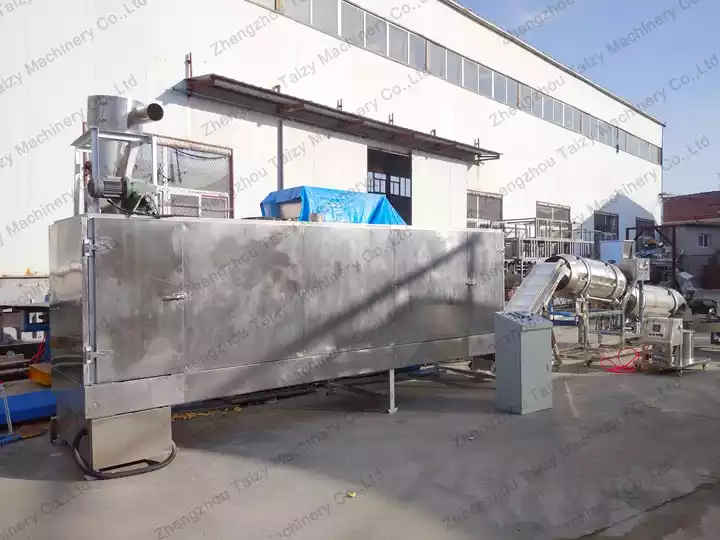
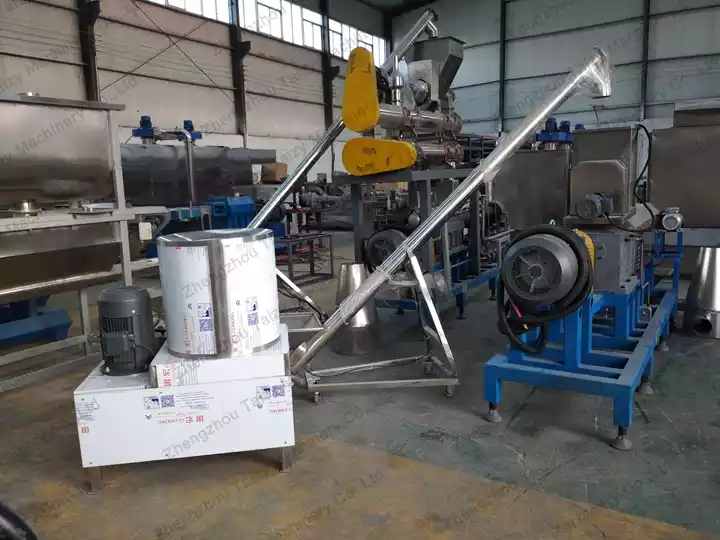
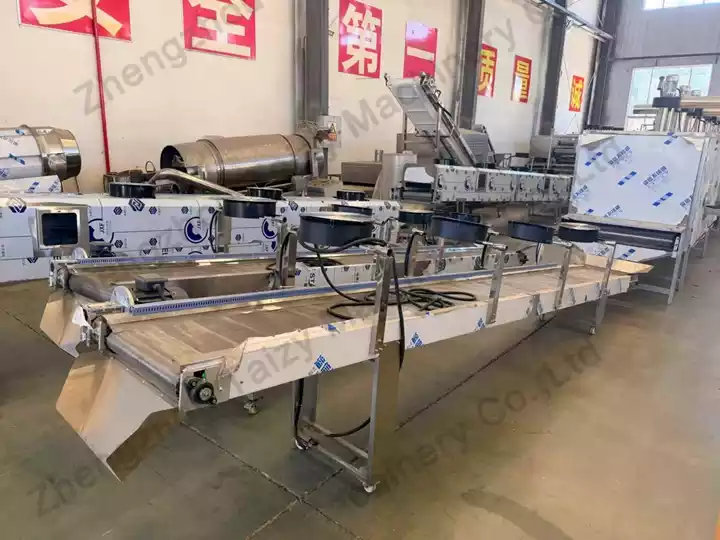
A truly customized corn flakes production line goes beyond the die mold. Every stage of the process can be configured for your specific product:
- Mixing system: Your raw material formulation — corn flour, rice powder, wheat flour, sugar, cocoa, protein powder, starch — determines the mixer type, capacity, and automation level. We customize the mixer to match your recipe portfolio.
- Extrusion parameters: Temperature profile (4–6 heating zones, 120–200°C), screw speed (200–400 RPM), and feed rate are programmed per product. Each custom shape requires its own optimized parameter set.
- Flaking machine: For traditional flat flakes, the flaking rollers use hydraulic pressure adjustment with gap precision of ±0.02 mm — this controls flake thickness, which affects crunch, bowl life (how long the flake stays crisp in milk), and toasting behavior.
- Toasting oven: Temperature range 200–280°C with adjustable conveyor speed and air volume. Different shapes toast differently — rings need more air circulation than flat flakes, and filled pillows require gentler heat to avoid filling leakage.
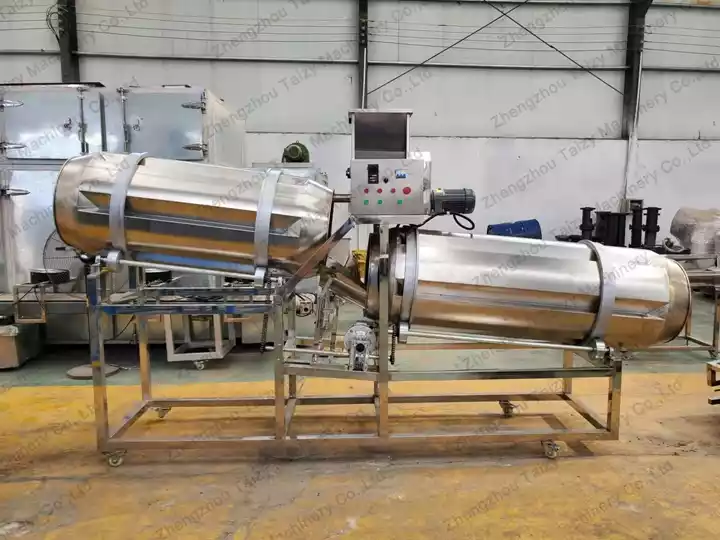
- Coating system: Sugar syrup, chocolate, honey, or savory coatings are applied in a rotating drum with spray nozzles. The coating ratio (typically 3–15% by weight) is adjustable per product recipe.
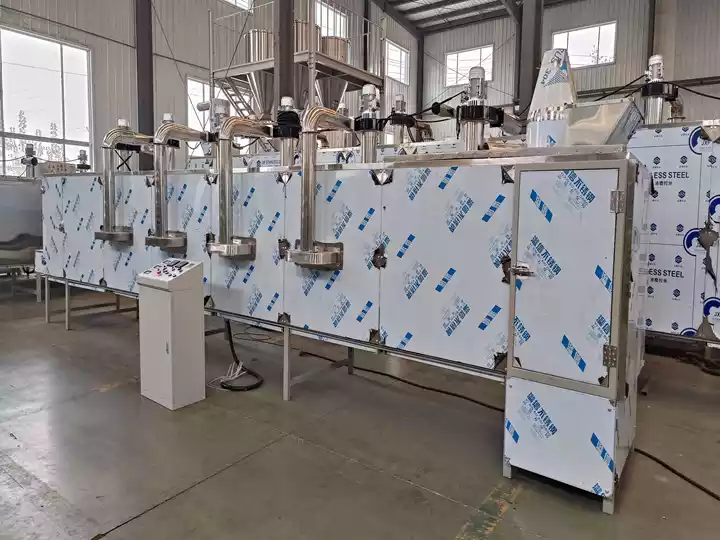
- Drying and cooling: Multi-layer hot air dryers reduce moisture to below 3% for shelf stability. Drying temperature and time are customized per product — thick pillows need longer drying than thin flakes.
- Packaging integration: The line can be configured to feed directly into vertical form-fill-seal machines, bag-in-box packagers, or bulk container filling systems.
Every stage of the corn flakes production line is engineered to work with your specific product shapes, recipes, and packaging — not the other way around.
Raw Material Flexibility Expands Your Product Portfolio
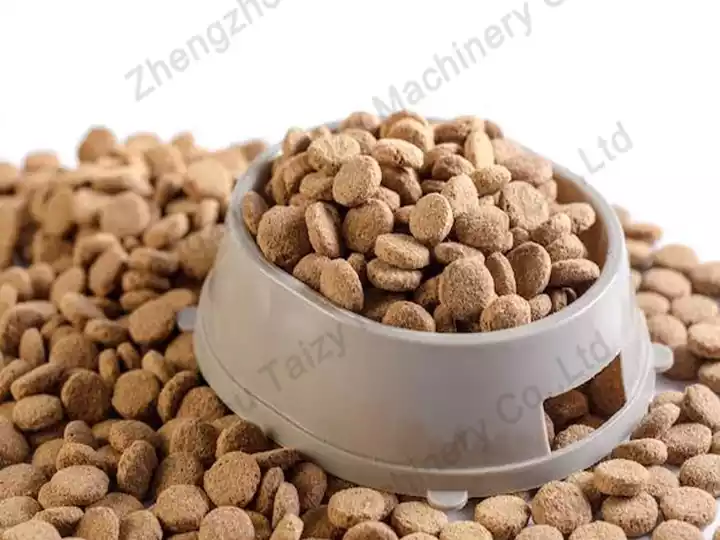
A well-customized corn flakes production line is not limited to corn. The twin-screw extruder handles a wide range of grain flours and formulations:
- Corn flour: The classic base for traditional corn flakes.
- Rice powder: Produces lighter, crispier cereal with a milder flavor.
- Wheat flour: Heartier texture, used in bran flakes and wheat biscuits.
- Oat flour: High-fiber cereal, popular in health-focused product lines.
- Barley flour: Nutty flavor, used in multi-grain cereal blends.
- Protein flour (soy, pea): High-protein cereal for fitness and health markets.
- Starch flour (potato, tapioca): Creates ultra-crispy textures for snack-style cereal.
By combining different flour bases with custom die shapes, you can create an entire product portfolio from a single corn flakes production line. A morning shift might produce classic corn flakes, an afternoon shift might produce chocolate-filled rice pillows, and an evening shift might produce star-shaped multi-grain cereal for kids — all on the same line with die and recipe changes.
Why Custom Mold Service Matters for Your Brand?
In the breakfast cereal market, visual identity is brand identity. Consumers — especially children and their parents — choose cereal by its shape, color, and texture as much as by its flavor. A unique shape that no competitor offers gives you:
- Shelf differentiation: Your product stands out on the shelf next to 50 other cereal boxes.
- Brand recognition: A distinctive shape becomes synonymous with your brand name (think of the iconic Cheerio ring or the Lucky Charms marshmallow shapes).
- Premium positioning: Custom-shaped cereal can be priced higher than generic flakes — consumers perceive unique shapes as higher quality.
- Market segmentation: One corn flakes production line with multiple dies can produce a kid’s cereal (stars, animals), a health cereal (plain flakes), and a premium cereal (filled pillows) — three products from one line.
- Private label and contract manufacturing: If you produce cereal for other brands, each client may require a unique shape. A flexible die mold service lets you take on more clients without buying new equipment.
This is why our custom die mold service is not an add-on — it is the core value proposition of our corn flakes production line. We do not just sell you machinery. We help you build a product catalog that is visually unique, market-competitive, and impossible to replicate with off-the-shelf dies.
What to Prepare Before Ordering a Customized Line?
To get the most out of a customized corn flakes production line, come prepared with the following information when you contact us:
- Your target products: What shapes and types of cereal do you want to produce? Send sketches, reference photos, or competitor product images.
- Your daily output target: How many kg or tons per shift do you need? This determines the extruder model and line configuration.
- Your raw material plan: What grain flours and formulations will you use? This affects screw design, die material, and drying parameters.
- Your coating and flavoring requirements: Sugar syrup, chocolate, honey, fruit flavoring? Each requires specific coating equipment configuration.
- Your packaging format: Retail bags, bulk containers, or multi-pack boxes? The line end can be configured for seamless packaging integration.
- Your factory space and layout: Send us your floor plan. We design the line layout to fit your available space — including ceiling height, door widths, and utility connections.
- Your power supply: Electric (220V/380V/415V), gas, or steam for the drying and toasting stages?
- Your certification requirements: CE, ISO, FDA, SGS? We build to your target market’s compliance standards.
Ready to Customize Your Corn Flakes Production Line?
Whether you are launching a new cereal brand, expanding your product range, or adding custom-shaped products to an existing line, a customized corn flakes production line with our full die mold design service is your fastest path from concept to production.
We provide complete corn flakes production lines — from mixing and extrusion to flaking, toasting, coating, drying, and packaging — all engineered around your specific product shapes, recipes, and output targets. Our custom die mold service covers everything from concept design and CAD simulation to precision machining, testing, and validation.
Contact us today for a free consultation and quotation. Send us the following details and we will respond within 24 hours with a customized production line proposal:
- Your target products and shapes (sketches, photos, or descriptions)
- Your daily or hourly output target (kg/h or tons/shift)
- Your raw material formulation (corn, rice, wheat, multi-grain, etc.)
- Your coating and flavoring requirements (sugar, chocolate, honey, etc.)
- Your factory floor plan and available space
- Your power supply and certification requirements
- Any special requirements (filled pillows, private label shapes, specific packaging integration, etc.)
Reach out now and let our engineers help you build a corn flakes production line — with custom die molds — that produces cereal shapes nobody else can.